Integrated conveyor systems for metalworking
Custom designed for metal chips, scrap and metal parts
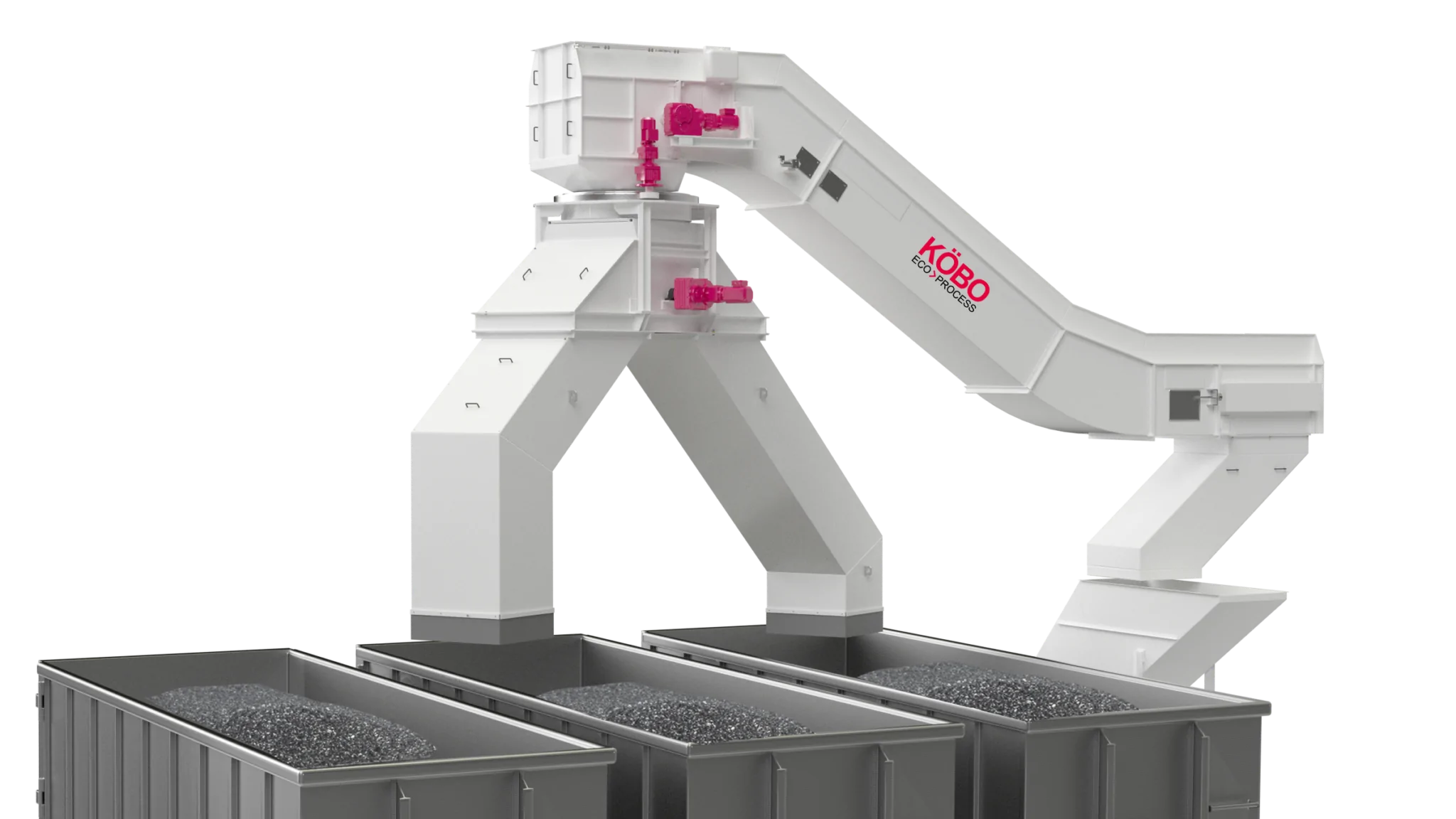
Our conveyor systems move material from machines to collection points or downstream equipment. Whether you handle metal chips, stamping waste or scrap, KÖBO ECO>PROCESS matches the conveyors, transfer points and controls to your material and production conditions. This makes it possible to automate material transport and reduce manual intervention.
Overview
Material handling in metalworking
Conveyor systems move metal chips, stamping waste, scrap and workpieces between machines, production areas and collection points.
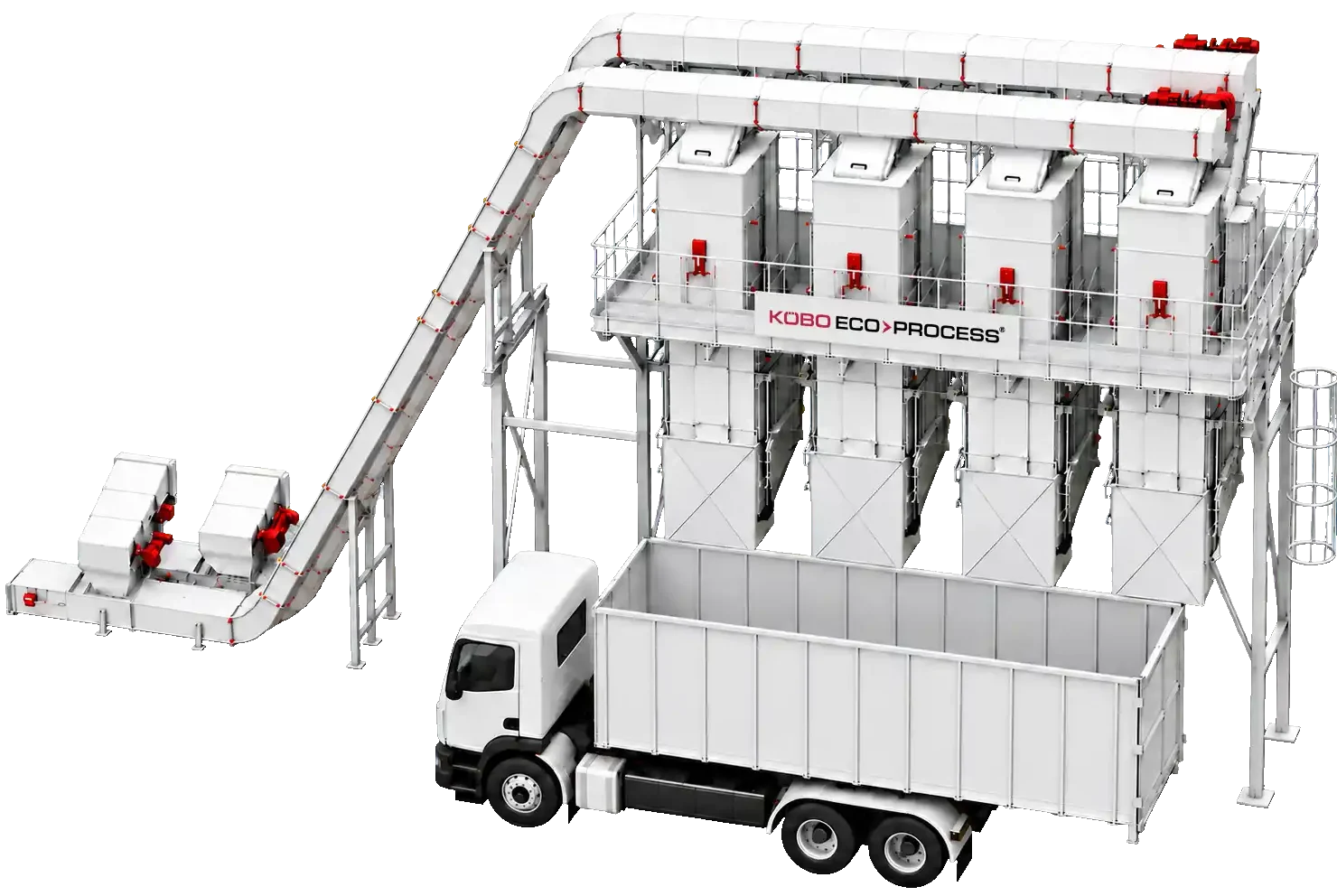
Depending on the application, this can be done with an individual conveyor or several interconnected conveyors. The design depends on the material, required throughput, conveyor route and connections to upstream and downstream equipment.
Design requirements
Typical challenges with conveyor systems
➔
Material wear: Abrasive materials and heavy loads put stress on conveyor chains, flights and troughs.
➔
Reduced throughput: Conveyor cross sections, drives or transfer points that are poorly matched to the application can limit how much material the system moves.
➔
Energy consumption: Drives that are incorrectly sized or run when they are not needed can increase operating costs.
➔
Downtime: Maintenance and repairs can interrupt material transport and affect connected production processes.
➔
Flexibility: Different materials and production requirements call for conveyor systems that can be adapted to the application.
➔
Automation: Integrating a conveyor system into production requires coordinated control of the machines and conveyors involved.
We address these challenges by selecting components that work together. KÖBO ECO>PROCESS takes into account the material properties, required throughput, installation conditions and connections to your production equipment.
Discuss your conveyor project
Advantages of our conveyor systems
We coordinate the conveyors, transfer points and controls to keep material moving through your plant in line with production requirements.
Sustainability
Durable components, replaceable wear parts and drives sized for the application help limit resource use during operation.
Efficiency
Coordinated conveyor speeds and transfer points keep material moving steadily. Automation reduces manual intervention and supports a consistent feed.
Cost reduction
Automated conveying can reduce the work involved in moving material around the plant and changing containers. A design that is easy to service simplifies maintenance.
Reliability
Robust construction and components selected for the material support reliable operation, even under heavy loads.
Safety
Guards and control functions support safe operation. Their design depends on the conveying task and installation conditions.
Need help planning your conveyor system?
Get in touch for technical information, advice or a quote.
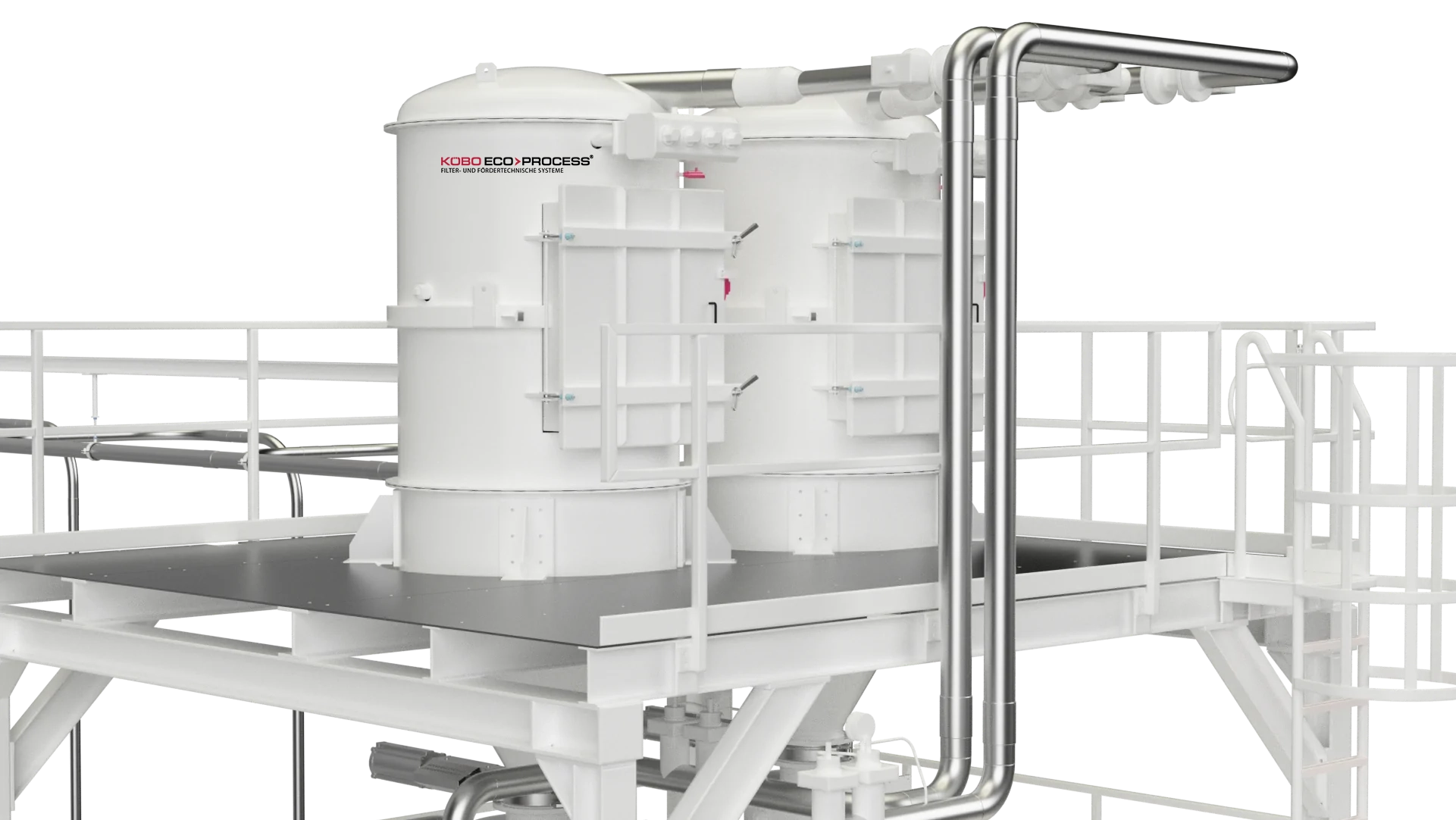
Depending on the layout, conveyors can be combined with chip storage bunkers, container loading systems or downstream processing equipment. We account for these connections during planning.
Comparison
Which conveyor system suits your application?
The right conveyor depends on the shape and size of the material, required throughput, coolant content and conveyor route. The following conveyor types can be used individually or combined in an integrated system.
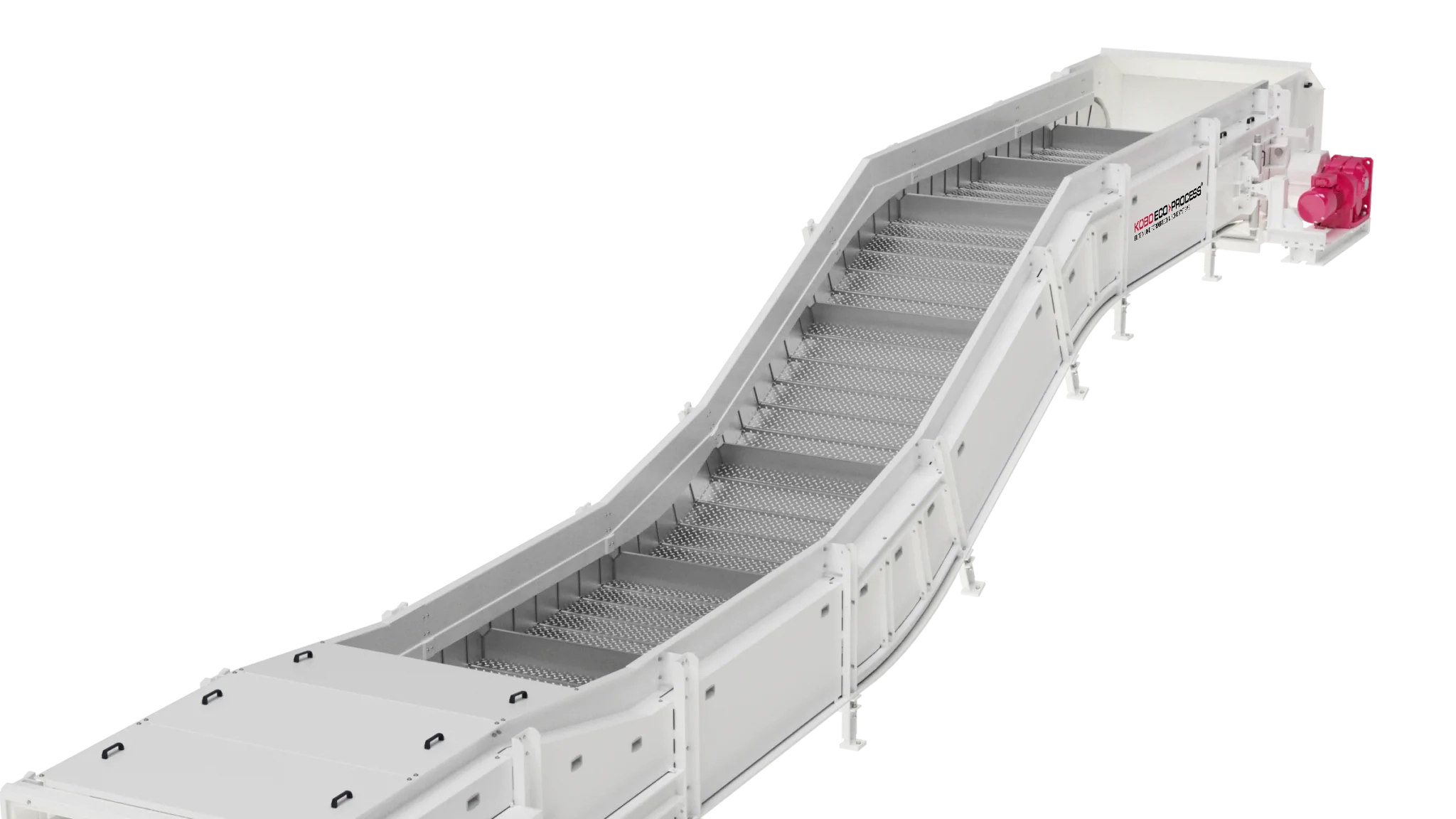
Scraper conveyor
Description
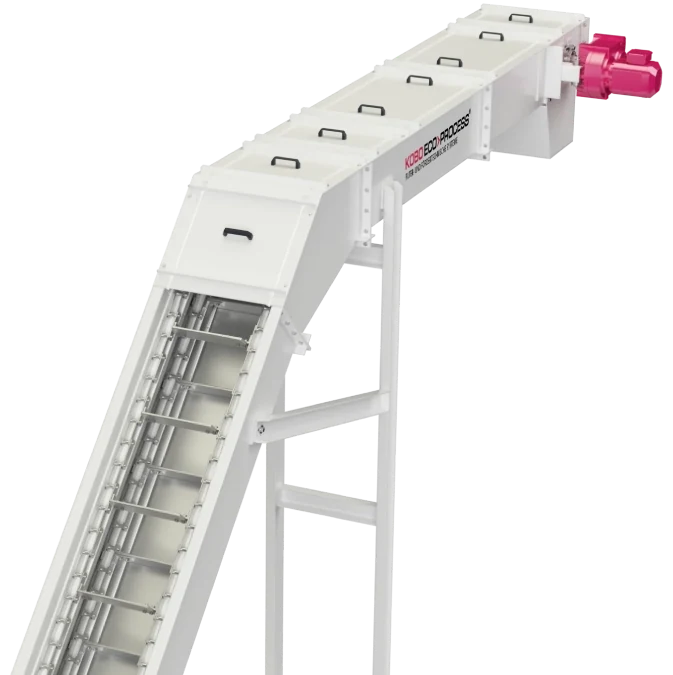
Two chain strands with flights move short metal chips, sludge and small parts along horizontal or inclined routes.
Typical applications
Machining, machine tools and centralized chip collection.
Hinged belt conveyor
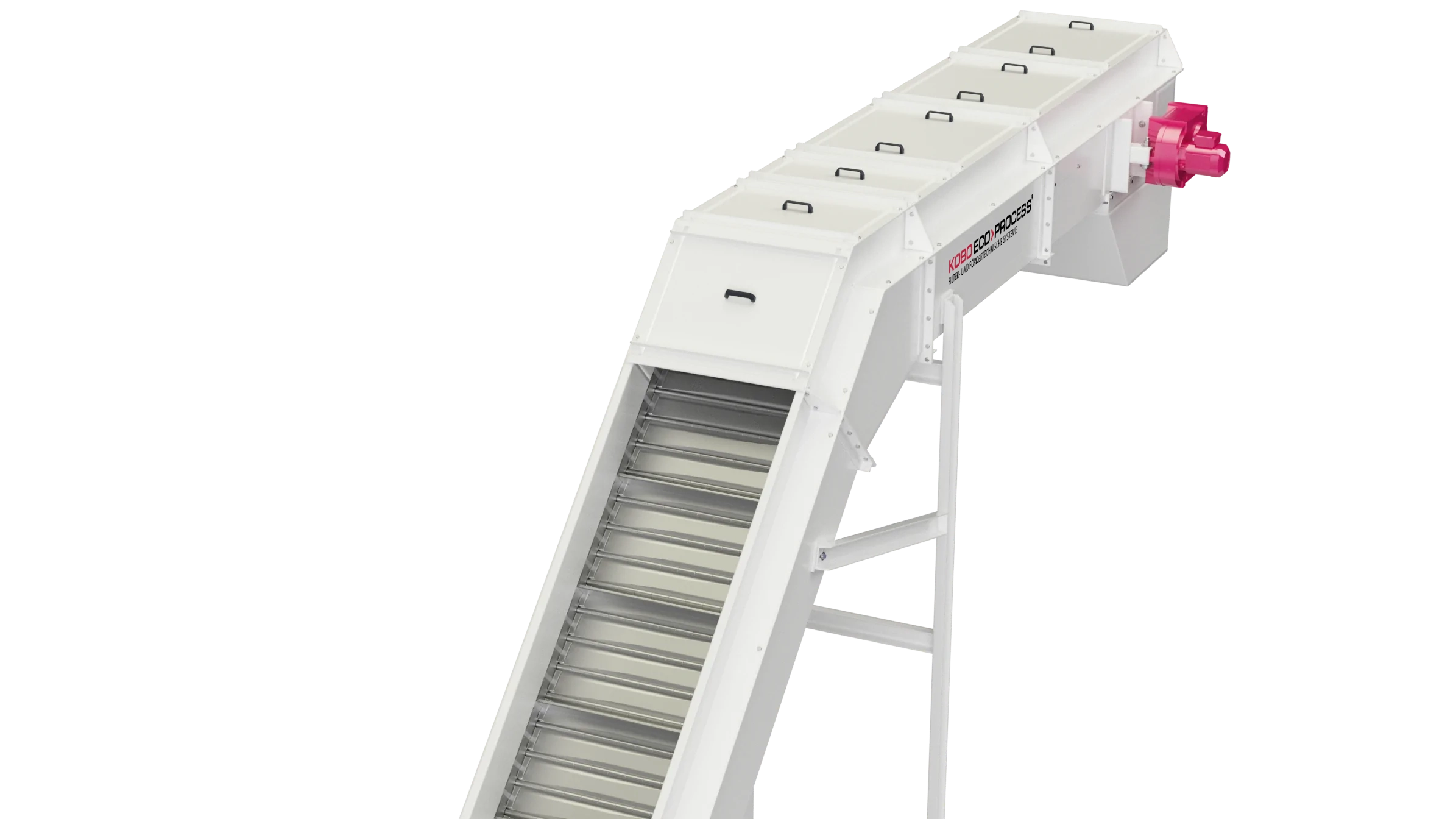
Description
A continuous belt of interlinked metal plates carries long or tangled chips, stamped parts and sheet metal scrap.
Typical applications
Stamping shops, metalworking and integrated production lines.
Scrap conveyor
Description
A conveyor designed for heavy or bulky metal waste such as stamping skeletons, trimming scrap and press scrap.
Typical applications
Press shops, stamping and forming operations, and metal recycling.
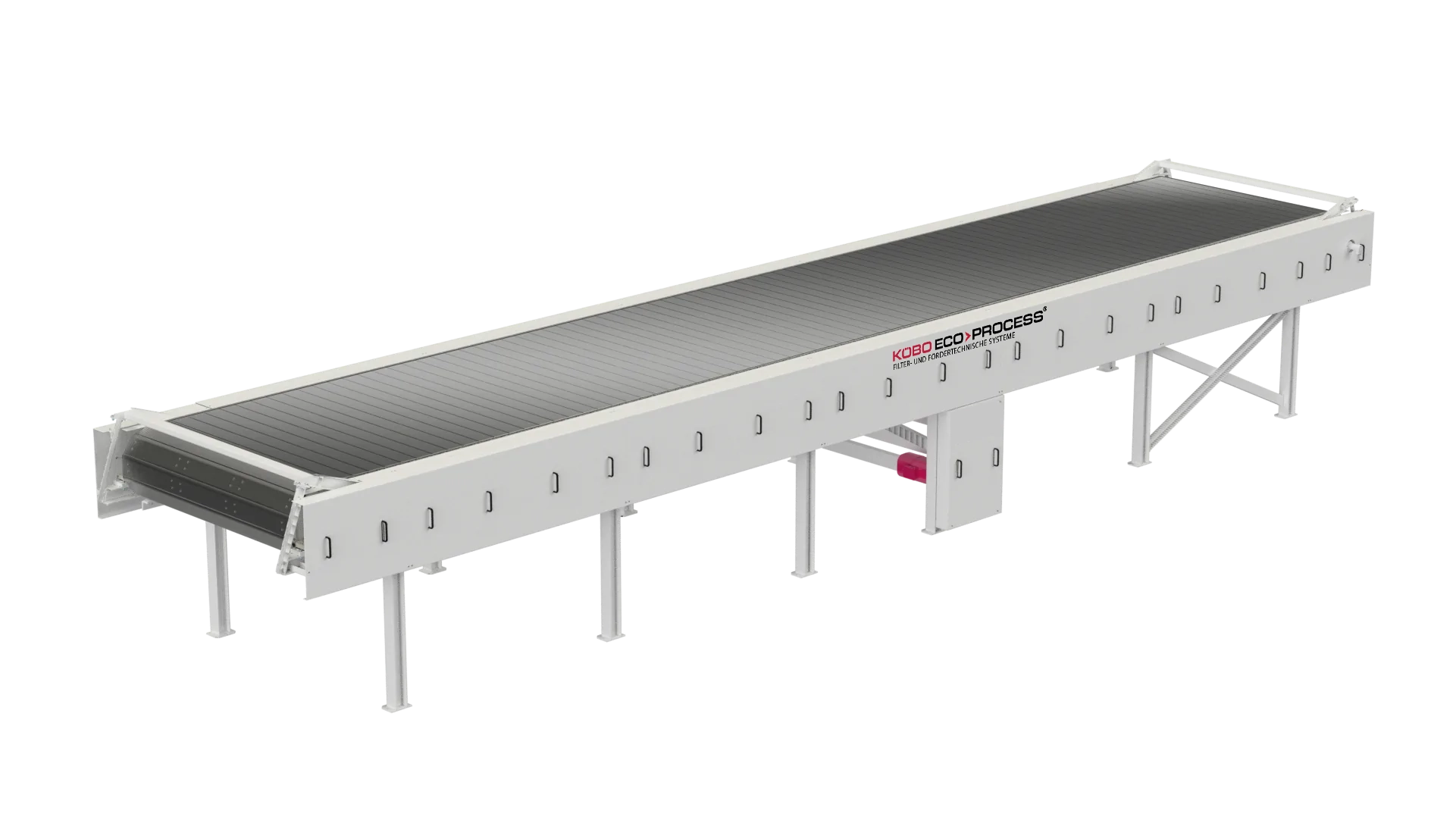
Slat band conveyor
Description
A sturdy slat band carries heavy, bulky or sharp-edged materials such as workpieces, castings, forged parts and coarse metal scrap.
Typical applications
Automotive manufacturing, mechanical engineering, foundries and forges.
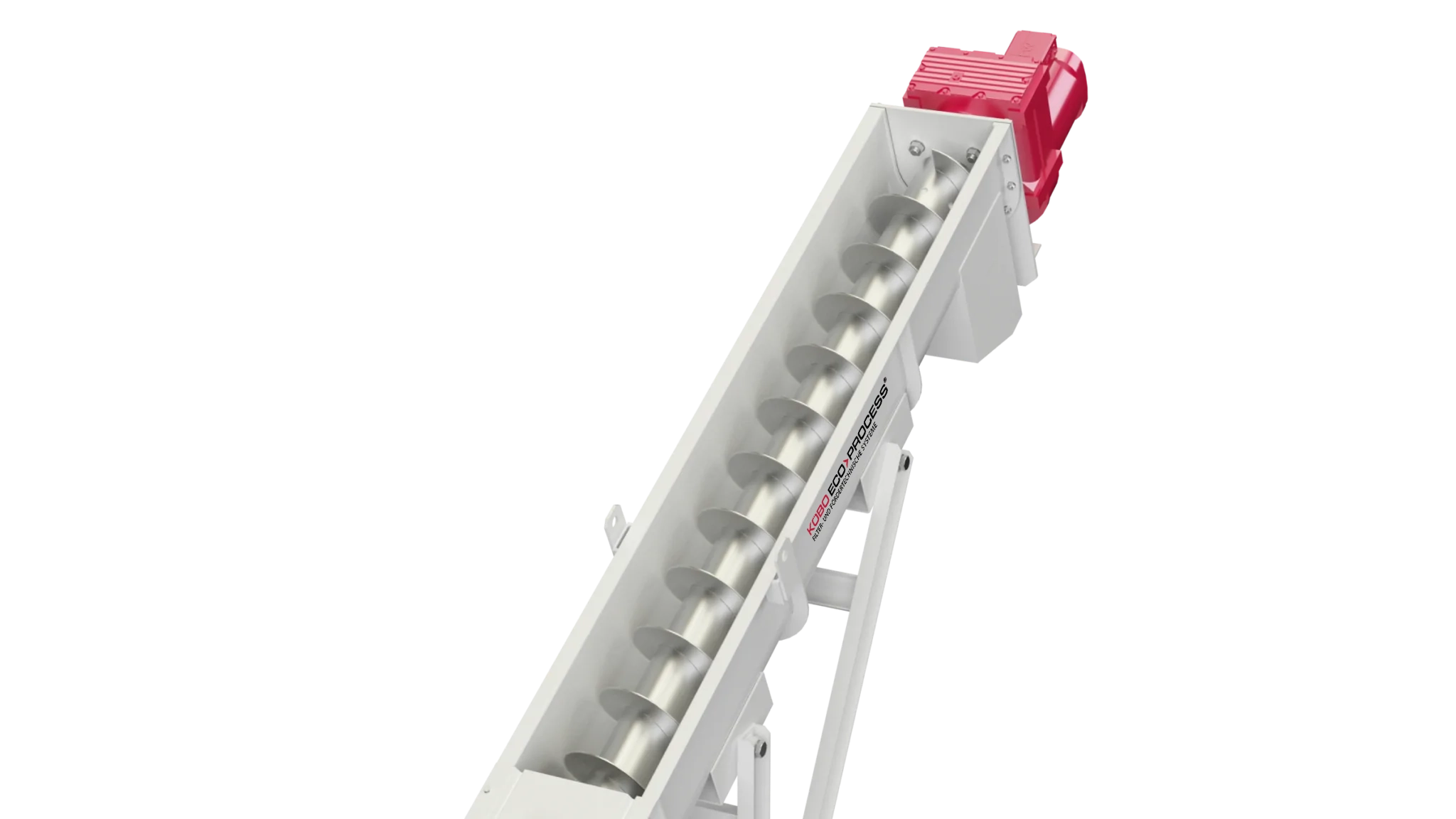
Screw conveyor
Description
A compact conveyor with a rotating screw for short or broken metal chips, filter cake and suitable bulk materials.
Typical applications
Metalworking, CNC machining, filtration and chip processing.
Push-rod conveyor
Description
A hydraulic conveyor moves short, long or tangled metal chips in steps over longer distances.
Typical applications
Turning and milling shops, and centralized chip handling systems with high volumes of chips and coolant.
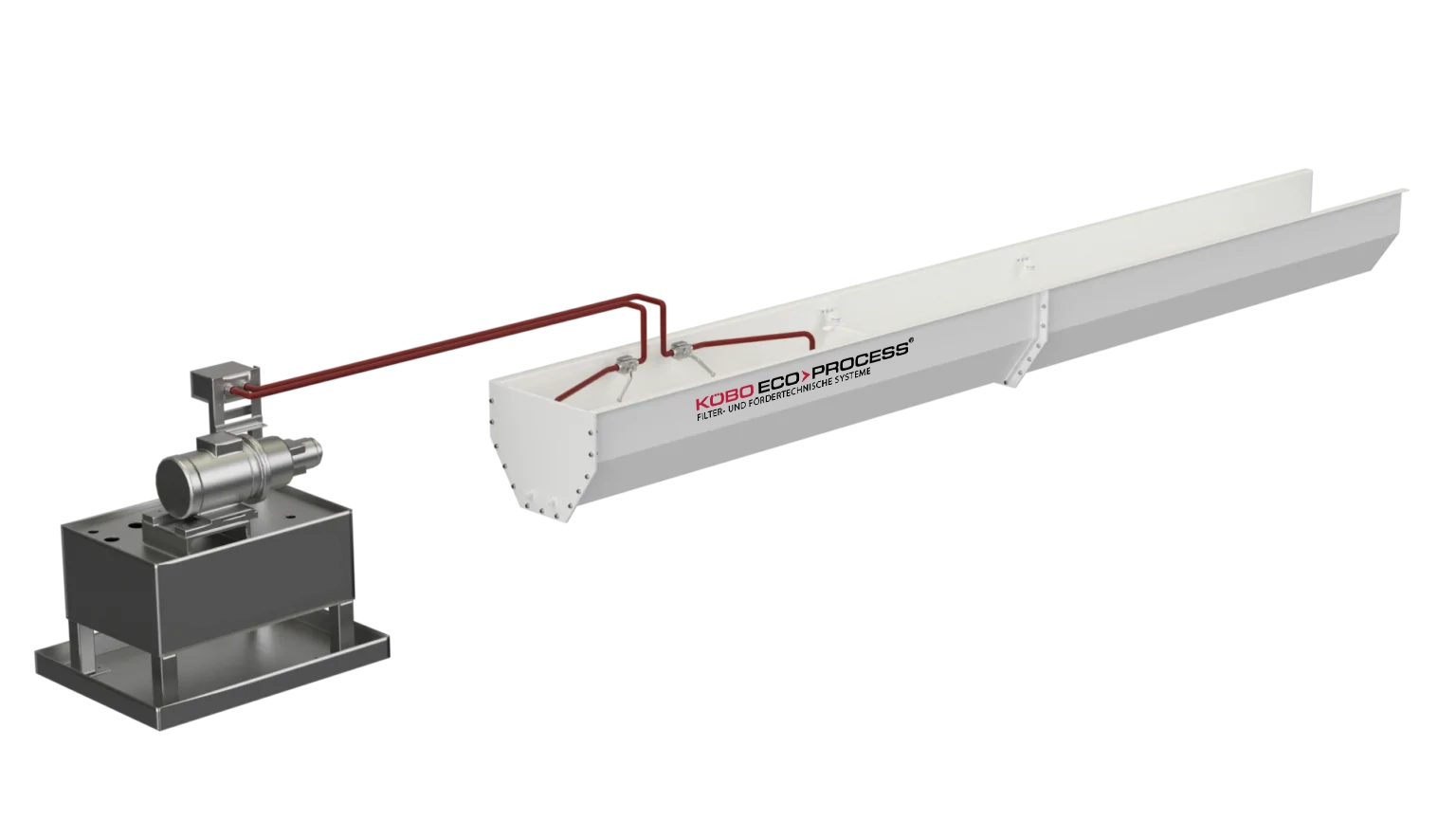
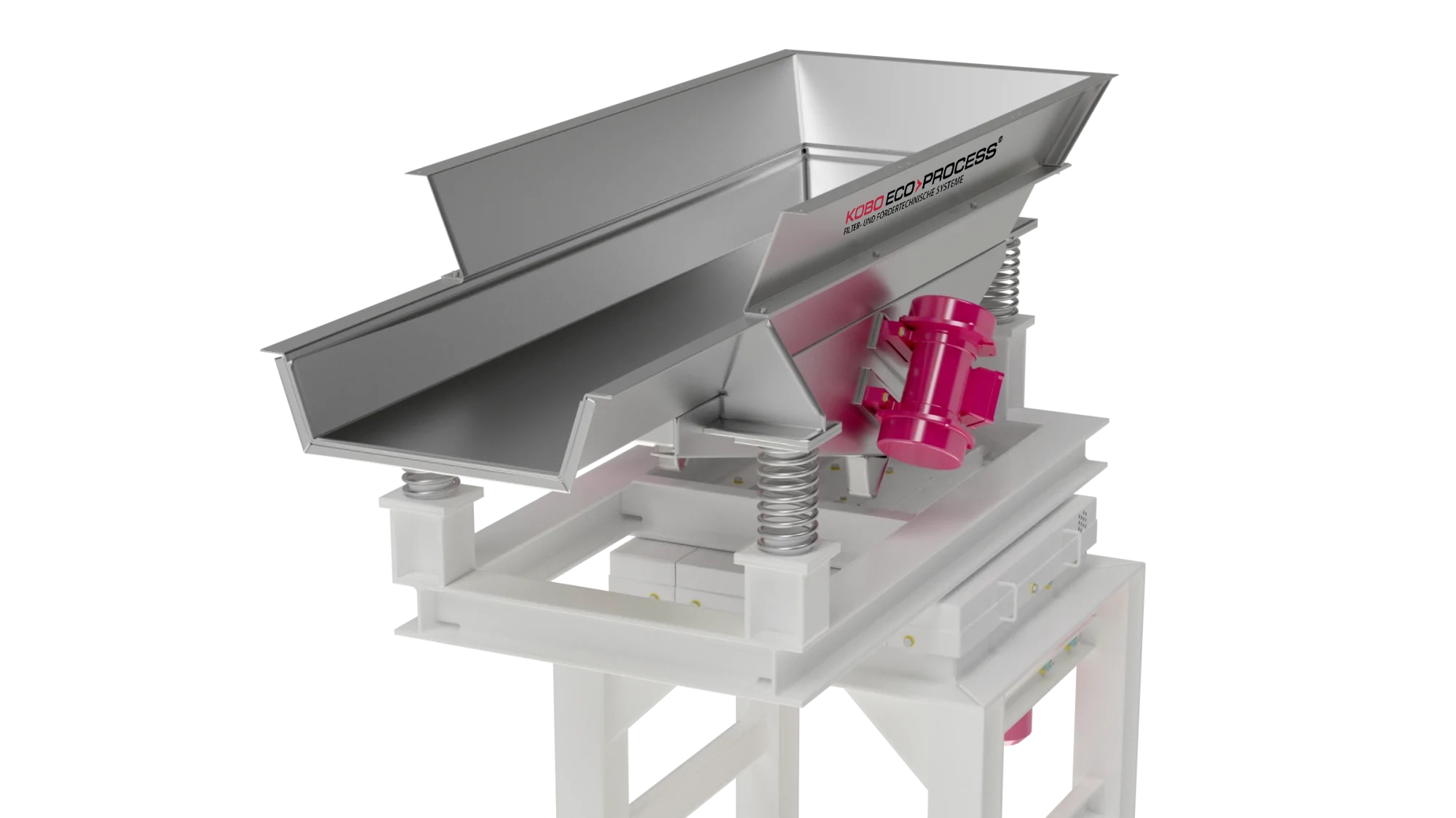
Vibratory conveyors
Description
Controlled vibration moves chips and bulk materials and delivers them at a metered rate.
Typical applications
Steady feeding of chip centrifuges and downstream processing equipment.
Why choose KÖBO ECO>PROCESS?
Decades of experience
We have spent decades developing and building conveyor systems for different industries. That experience guides our choice of conveying method and the design of your system.
Complete solutions from a single source
We support you from planning and implementation through maintenance and system optimization. The mechanical equipment, controls and transfer points are designed to work together.
Custom system design
We match the conveyor cross section, route, transfer points and drive to the material, required throughput and production environment.
Technical service
Our service team helps with questions about operation, maintenance and faults. We work with you to identify what the system needs and agree on the next steps.
Personal support
Your point of contact supports you from the first inquiry through implementation and continues to assist once the system is in operation.
Energy-efficient systems
We select drives and controls based on throughput, conveying distance and how the system will run. This helps avoid unnecessary energy use.
Related Products