Industrial chip storage bunkers
Centralized storage and controlled loading of metal chips
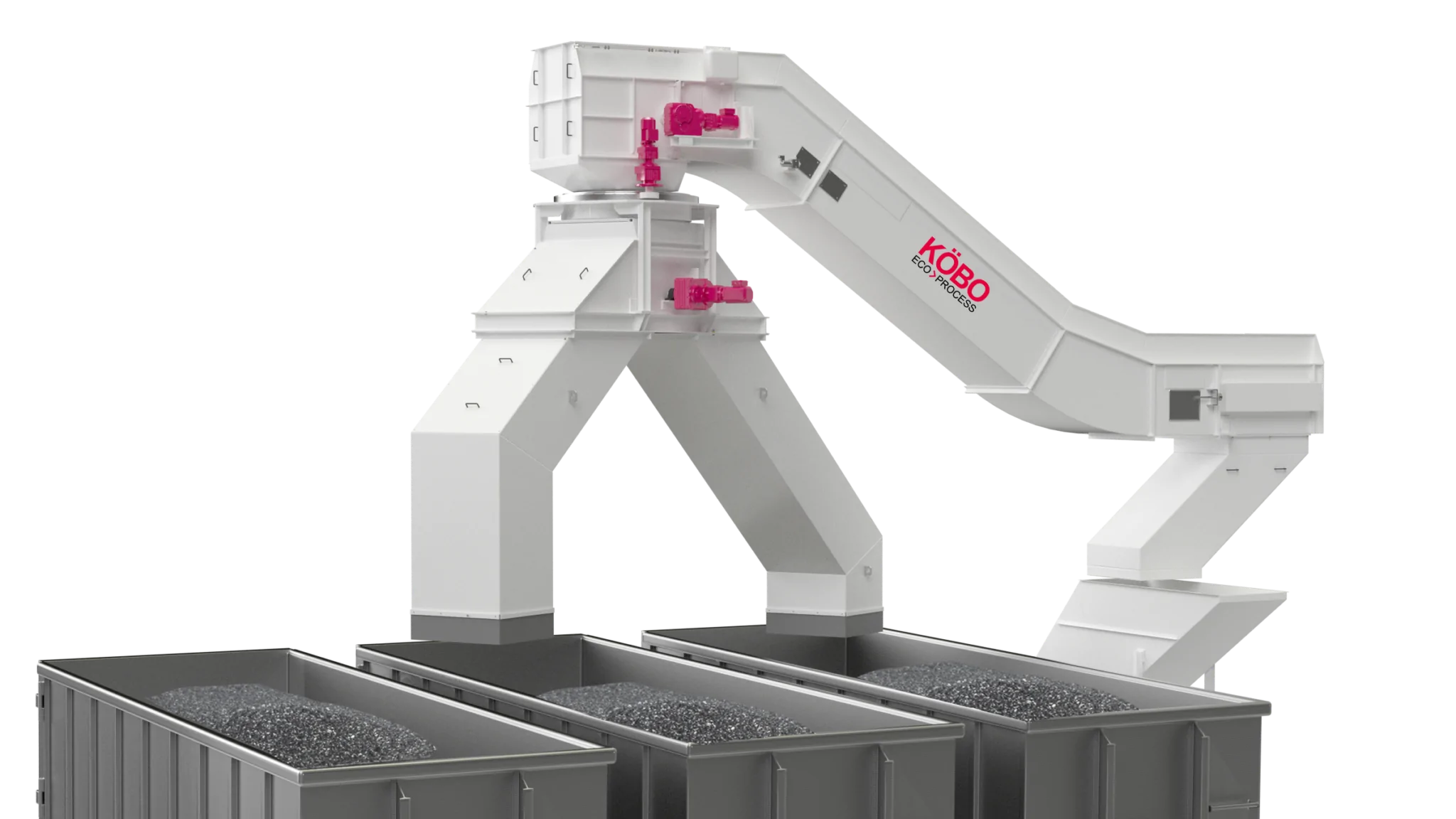
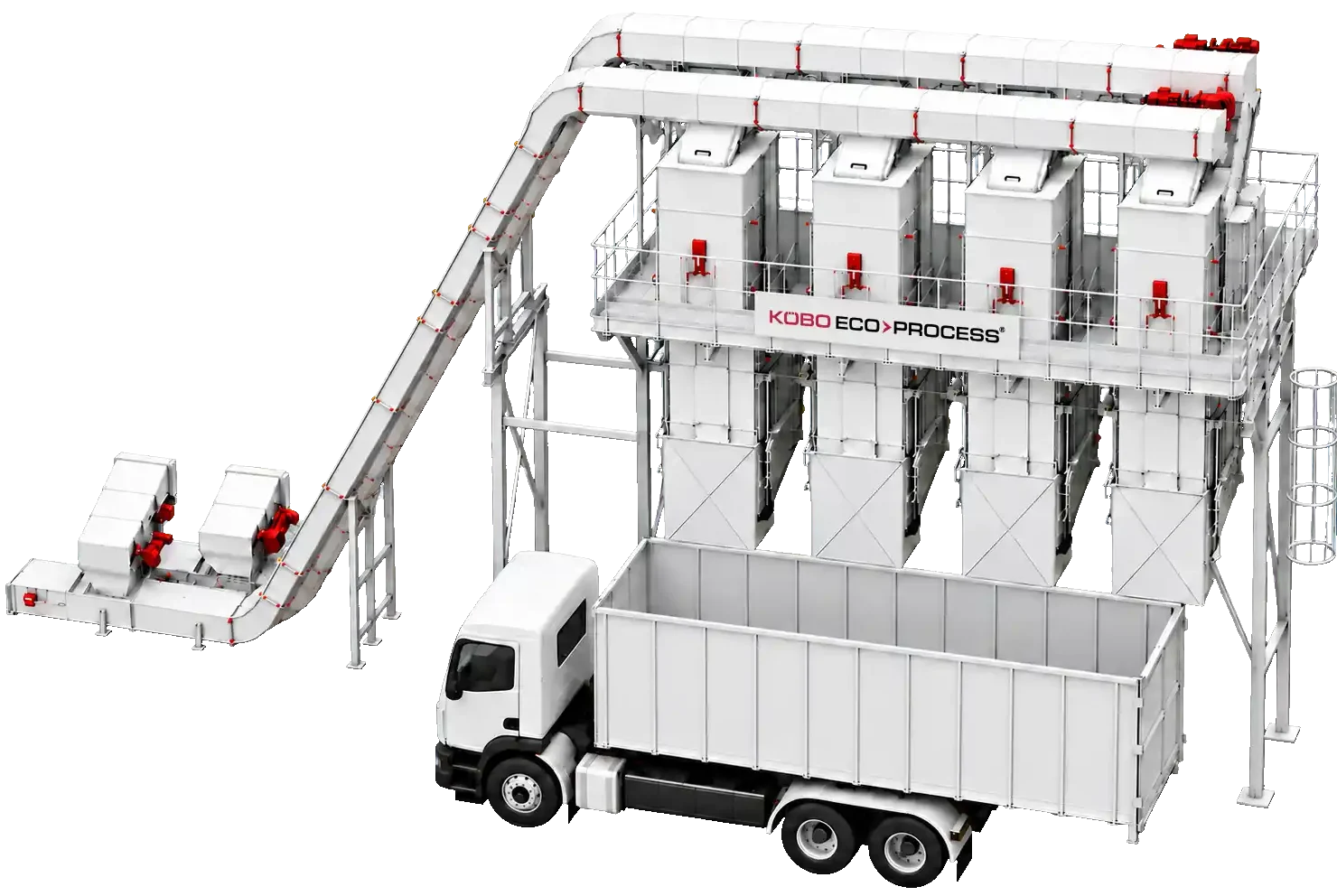
Chip storage bunkers from KÖBO ECO>PROCESS collect and temporarily store metal chips before loading, disposal or further processing. Available as individual bunkers or modular systems, they provide a defined storage capacity and allow chips to be transferred in a controlled way into trucks, railcars or containers, or onto other conveyors.
METALWORKING
◆
Machining
◆
AUTOMOTIVE INDUSTRY
◆
MECHANICAL ENGINEERING
◆
METAL RECYCLING
Overview
Centralized storage for metal chips
A chip storage bunker is a large storage unit designed primarily for broken or free-flowing metal chips. It receives chips from production, holds them temporarily and discharges them in a controlled way for transport, disposal or further processing.
This allows chip collection and removal to run on different schedules. Instead of removing chips immediately or manually transferring them into separate containers, operators can collect them in a central bunker system.
KÖBO ECO>PROCESS builds individual bunkers and modular systems with multiple units. A system with multiple bunkers can keep different materials separate if the conveyors and distribution equipment feeding the system are designed for that purpose.
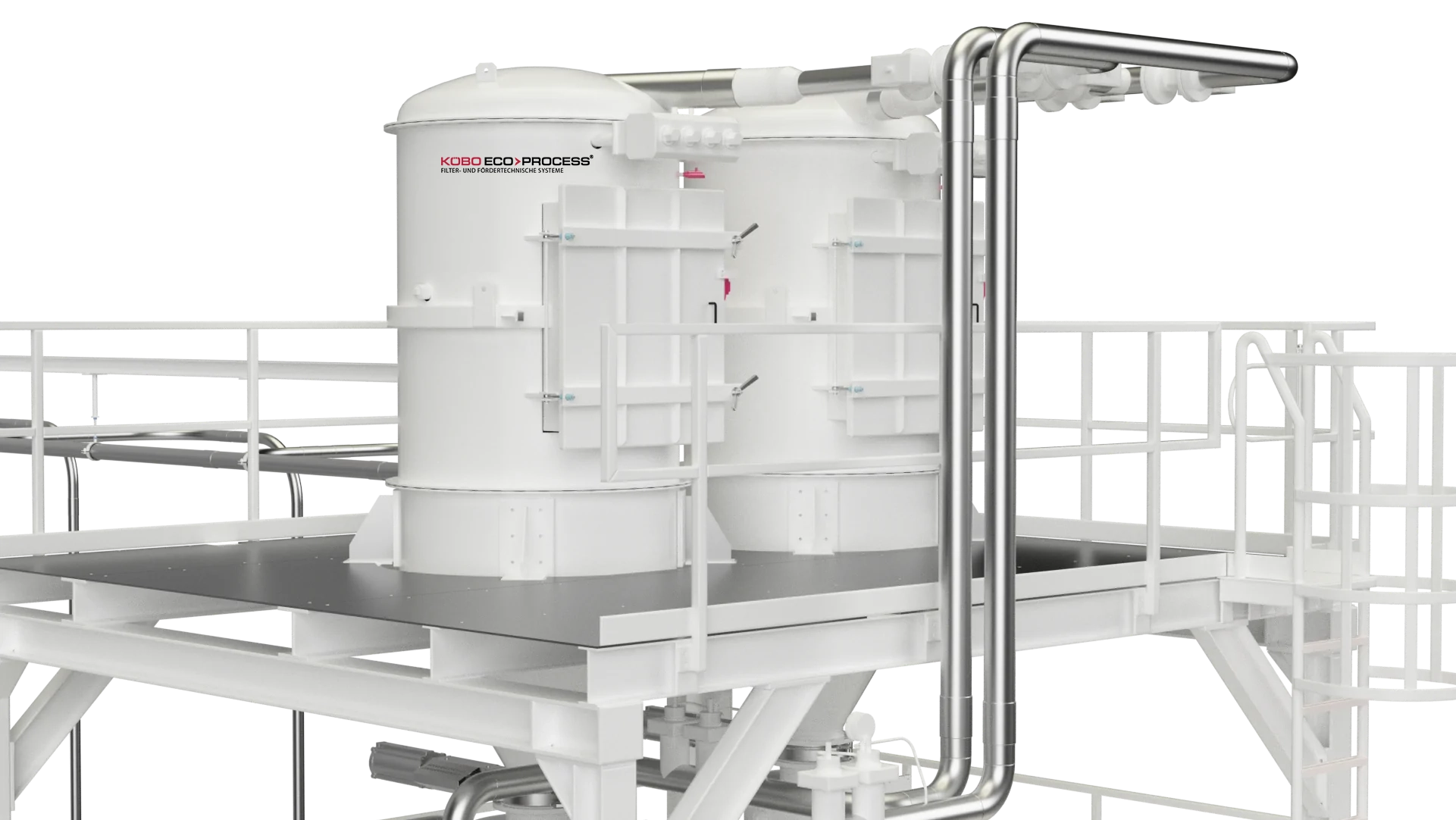
The system can also include steel structures, access stairs or ladders, maintenance walkways, upstream conveyors, distribution equipment and equipment for controlled loading.
Long or heavily tangled chips may need to be reduced in size before storage. The design depends on chip shape, material, bulk density, storage volume and the downstream process.
Application
Why centralized chip storage makes sense
Metalworking facilities can generate large quantities of metal chips in a short time. Without a suitable way to store them temporarily, chip handling can disrupt daily operations.
➔
Space requirements: Separate collection bins take up production space and obstruct traffic routes, making it harder to keep materials moving through the facility.
➔
Manual handling: Repeatedly changing, moving and emptying smaller containers takes up staff time and adds transport within the facility.
➔
Mixing different materials: Collecting aluminum, steel, stainless steel or brass chips together can make recycling more difficult and affect the value recovered from the material.
➔
Irregular collection schedules: Fluctuating chip volumes and frequent container changes can make it harder to plan pickup, loading and further processing.
A central chip storage bunker provides a defined storage capacity and connects ongoing production with downstream loading, disposal or processing.
Design and operation
Chip storage bunker design
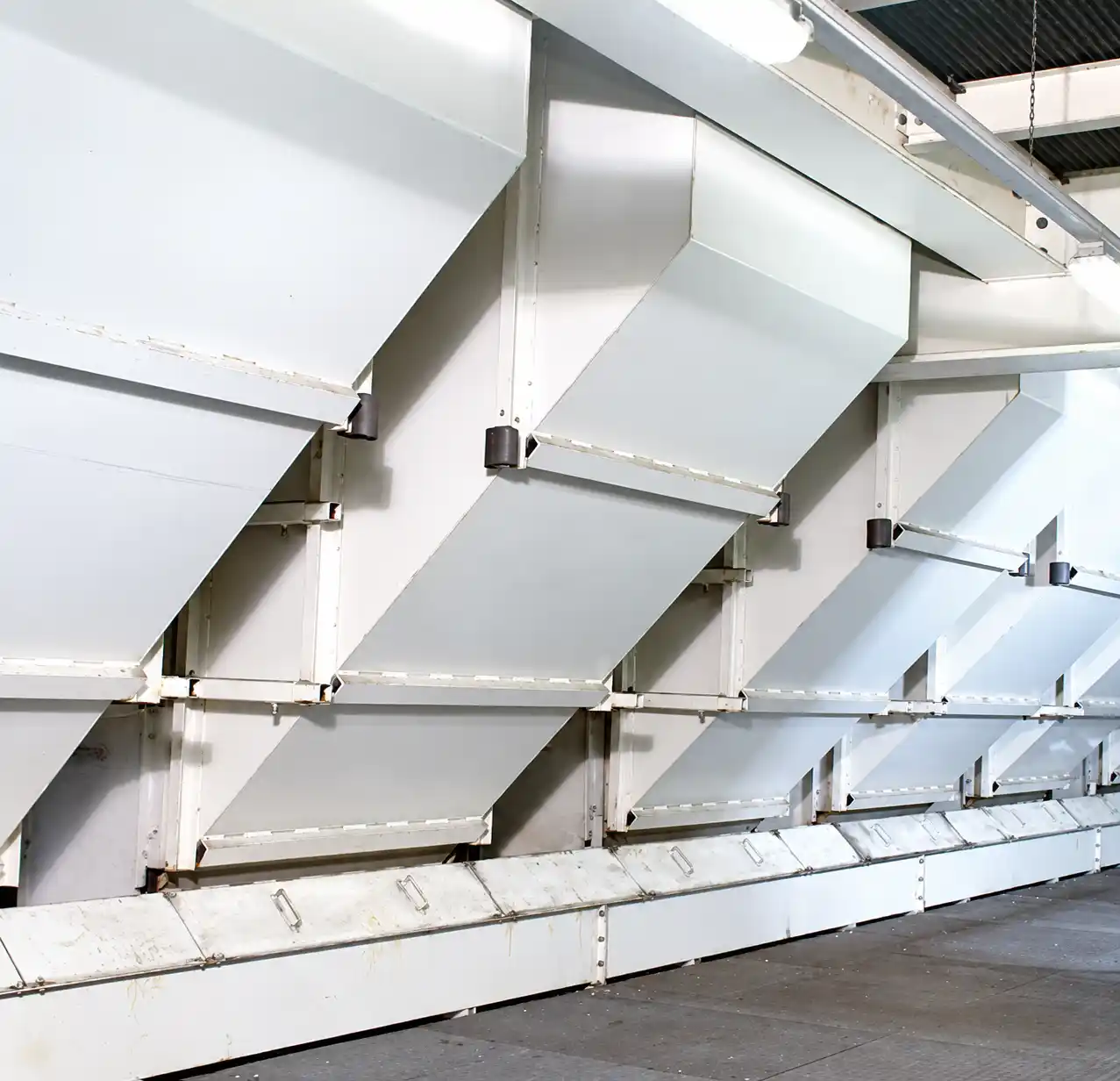
The bunker has a robust steel structure and can hold up to 9 m³ per unit. Several units can be combined into a modular system when more storage capacity is needed.
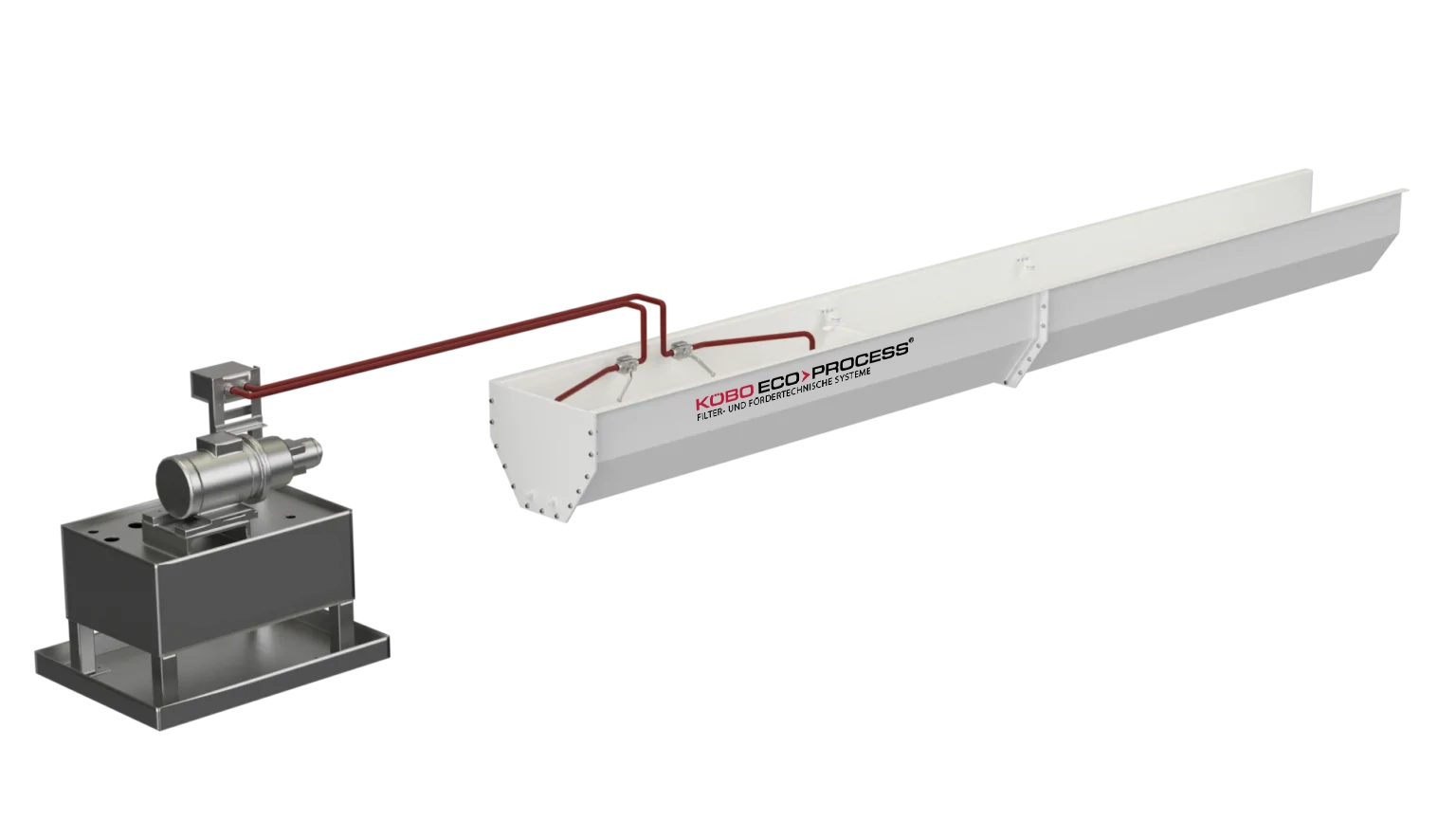
A vertically moving slide gate controls the bunker outlet. A lifting screw driven by a geared motor opens and closes the gate in a controlled way.
A sloped floor helps the chips flow toward the outlet. Depending on chip shape and flow characteristics, additional equipment may be needed to assist discharge or loosen the material.
The system can also include:
• Steel structures with supports
• Access stairs or ladders and maintenance walkways
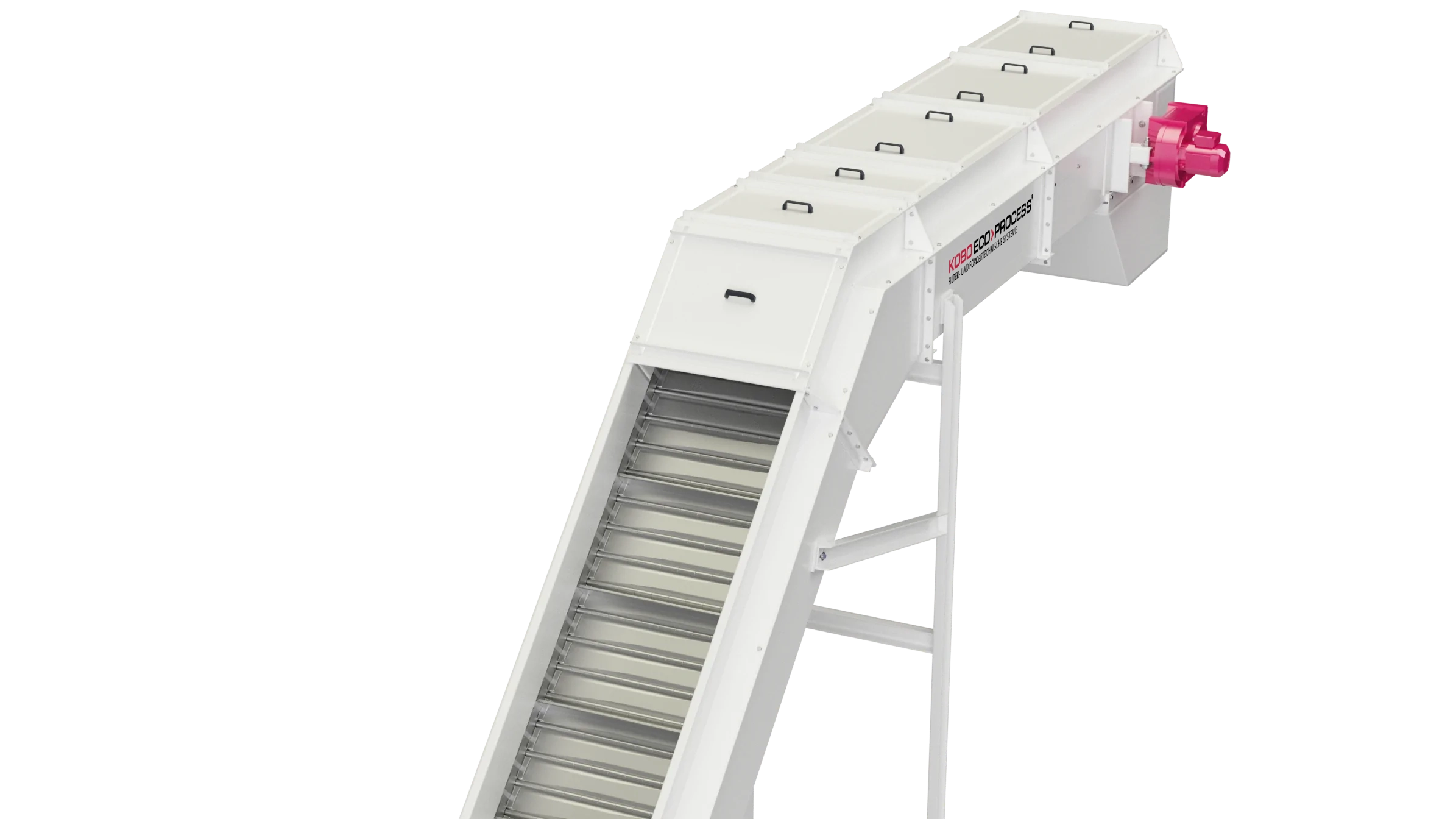
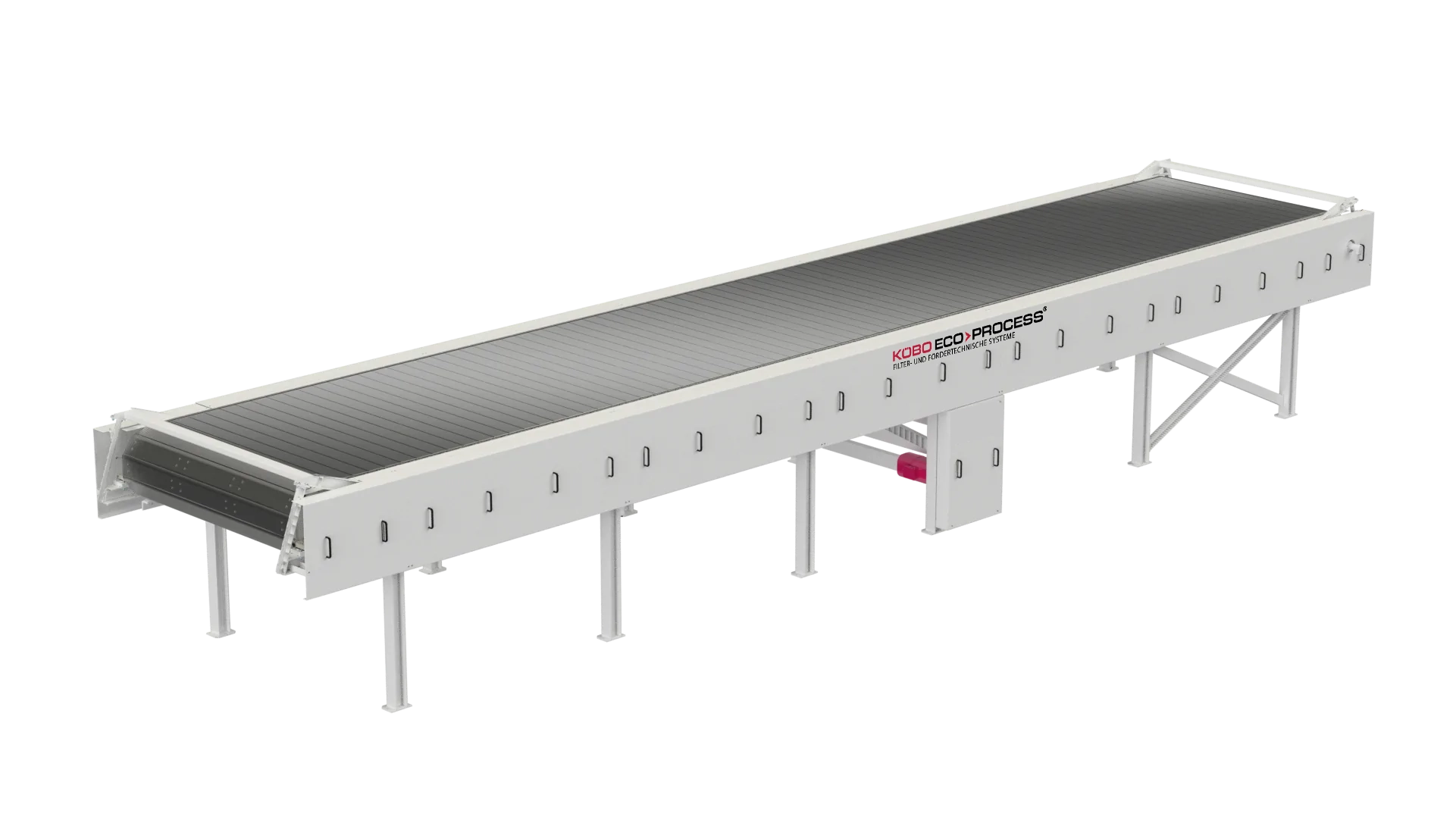
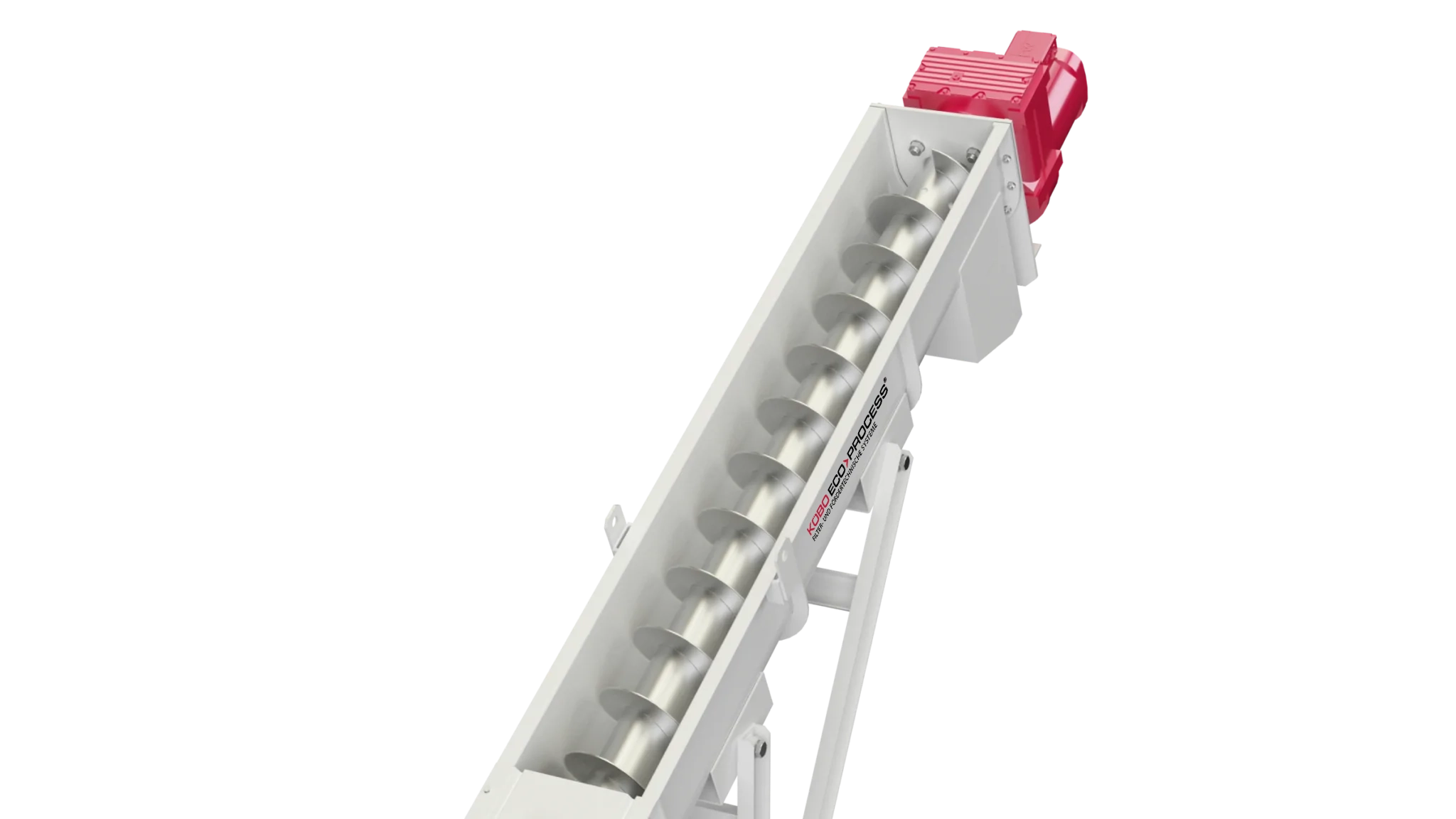
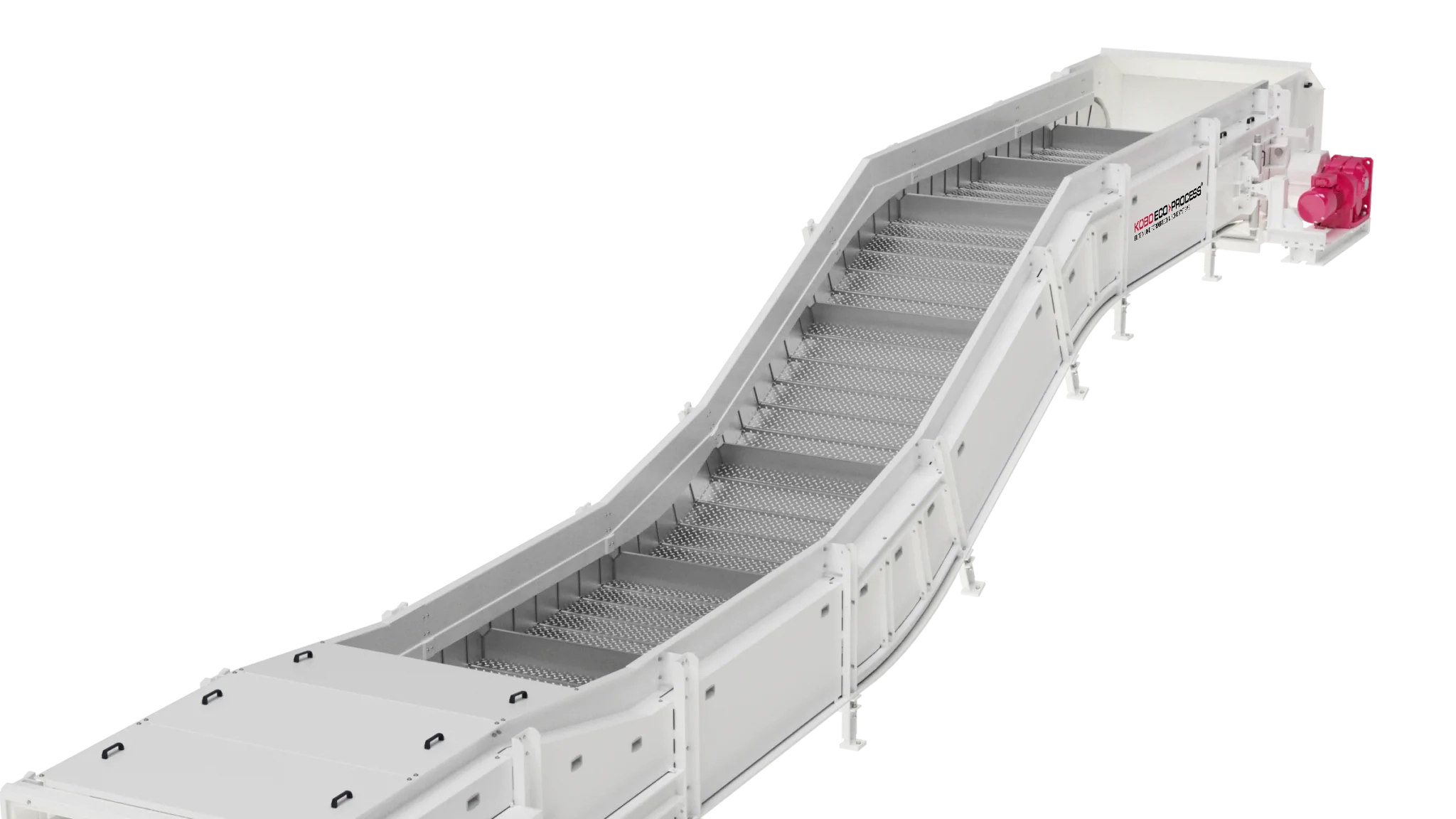
• Upstream scraper conveyors or other chip conveyors
• Distribution and transfer equipment
• Electrically driven discharge gates
• Optional weighing equipment
• Control and safety equipment
• Transfer points for trucks, railcars, containers or downstream equipment
How a chip storage bunker works
1. Feeding the chips
An upstream conveyor carries the metal chips to the bunker system..
2. Distributing the chips
The chips enter the designated bunker at a defined transfer point.
3. Temporary storage
The bunker holds the chips until they reach the planned storage volume or it is time to load them.
4. Opening the outlet
To empty the bunker, the motorized lifting screw opens the vertical slide gate.
5. Discharging the chips
The chips move down the sloped floor toward the outlet.
6. Loading or transfer
The chips drop directly into a truck, railcar or container, or onto a downstream conveyor.
In a system with multiple bunkers, upstream distribution equipment can route different types of metal chips to their respective bunkers.
Technical data
Chip storage bunker specifications
Typical materials
Broken or sufficiently free-flowing metal chips, such as chips from machining steel, aluminum, stainless steel, brass or castings
Storage volume
Up to 9 m³ per bunker
Modular expansion
Multiple individual bunkers can be combined into a modular system
Filling
Typically via upstream scraper conveyors or other suitable conveyor systems
Bunker Outlet
Vertically moving slide gate
Slide gate drive
Lifting screw driven by a geared motor
Discharge
Via a sloped bunker floor into trucks, railcars or containers, or onto downstream conveyors
Options
Weighing equipment, material distribution, steel structures, access stairs or ladders, maintenance walkways, and customized control and safety equipment
Note
The design depends on chip shape, material, bulk density, storage volume, filling method and the required discharge method.
Advantages of a chip storage bunker
Cleanliness and safety
An enclosed bunker system can help keep chips from spreading and keep work areas and traffic routes clear.
Centralized temporary storage
Large quantities of chips can be collected in one place and held in a bunker of defined capacity until loading or further processing.
Separate collection by material
Systems with multiple bunkers and suitable distribution equipment can keep different metals separate.
Less dependence on pickup schedules
Temporary storage accommodates fluctuations in chip volumes and pickup intervals. This allows production to continue without relying as closely on individual unloading or loading operations.
Flexible storage capacity
Individual bunkers can be combined into a modular system to meet the total storage volume required.
Optional weighing
An automatic weighing system can record the weight loaded and help plan and document material removal.
Controlled loading
Motorized slide gates allow controlled discharge directly into trucks, railcars or containers, or onto other conveyors.
Less manual handling
Automated filling and discharge reduce the need for manual container changes and transport within the facility.
APPLICATIONS
Applications for chip storage bunkers
➔
Metal machining: Temporary storage of metal chips from turning, milling, drilling and other machining processes.
➔
Automotive industry: Centralized collection of large quantities of chips from the production of engines, transmissions and vehicle components.
➔
Mechanical and plant engineering: Collection and temporary storage of chips from different machine tools and production areas.
➔
Machine tool industry: Integration into centralized chip removal and processing systems serving individual machines or groups of machines.
➔
Aerospace: Separate collection of valuable metal chips from aluminum, titanium and other materials that require extensive machining.
➔
Metal recycling: Temporary storage and controlled loading of sorted metal chips for recycling.
➔
Foundries: Supplying suitable and appropriately processed metal chips for downstream recovery or melting.
➔
Metal chip processing: Buffer storage between shredders, centrifuges, briquetting presses, conveyors and loading stations.
Service
Why KÖBO ECO>PROCESS?
Custom bunker systems
We tailor the storage volume, number of bunkers, discharge equipment, steel structure and loading points to the amount of material generated and the existing production layout.
Complete systems from a single source
KÖBO ECO>PROCESS integrates chip storage bunkers, conveyors, distribution equipment, chip processing, container loading and controls into one system.
Experience in industrial chip handling
Our systems take into account the requirements of metalworking, centralized chip removal and downstream material recovery.
Service throughout the system lifecycle
We support your project from planning and design through installation and commissioning. We also provide maintenance, spare parts and support for later modifications.
KÖBO ECO>PROCESS
A bunker system for your metal chips
We assess chip shape, material, bulk density, chip volume, required storage capacity and the planned downstream process to design a bunker system that fits your operation.